
Even a very experienced cannabis consumer can find themselves puzzled when facing a wall full of modern-day dispensary products. Multiple forces have come together to leave consumers with a wide range of options—choices that are often displayed through a series of abbreviations.
Cannabis legalization has impacted different regions in various ways, prompting the market to develop products that meet the specific requirements of particular legislative demands.
At the same time, updated research into the impacts of cannabis and its many properties has left consumers with higher demands for targeted effects (medicinal and recreational), and the market has again responded to meet those needs.
The end result is a wide array of products with labels that can leave many shoppers scratching their heads. One common question is about the difference between delta-9 THC and delta-8 THC.
While these might sound like names for spaceships from a futuristic sci-fi series, they actually refer to natural cannabinoids that occur in cannabis plants. Understanding how delta-9 THC and delta-8 THC differ can help consumers know what product is right for them.
What Is Delta-9 THC and Why Is It the “Classic High”?
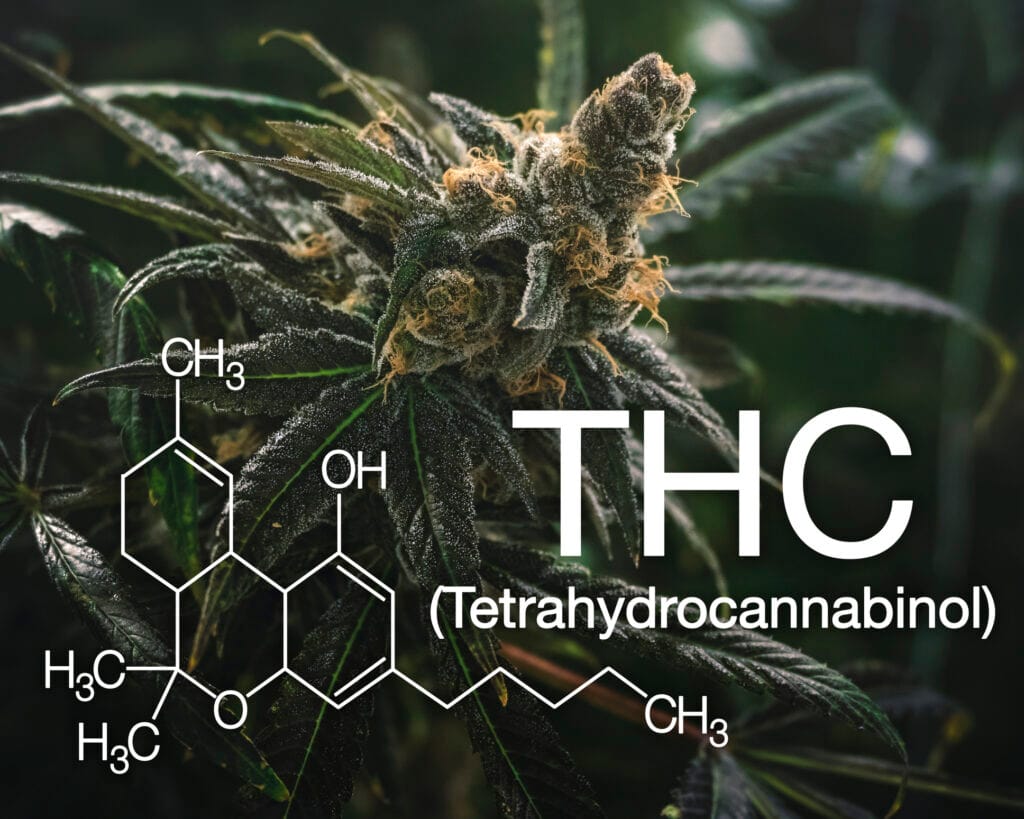
Let’s start by exploring the “THC” part of the name in both delta-9 THC and delta-8 THC. THC stands for tetrahydrocannabinol, and it is just one of the many compounds found in the cannabis plant. At this point, more than 100 cannabinoids have been identified, and researchers are continuing to learn about how these compounds interact with the human body through the endocannabinoid system. THC and cannabidiol (CBD) are the two most recognized and sought-after cannabinoids. The desire for these specific compounds has led to the development of innovative extraction methods, the hybridization (selective crossbreeding) of particular strains, and experimentation with delivery methods to achieve the desired effects.
Delta-9 refers to a specific structural isomer of THC, and it is the primary compound that produces the psychoactive “high” typically associated with cannabis use. If a consumer buys a product that’s labeled as containing “THC,” it’s usually delta-9. Delta-9 naturally appears in high concentrations in the cannabis plant, and it gets its name from the location of its carbon double bond (between the ninth and tenth carbon atoms in the molecule’s chain).
Delta-9 THC is popular for its recreational effects. To put it simply, many people take it to feel high. It also has medicinal uses, particularly for the treatment of pain, anxiety, nausea, and low appetite. In fact, a synthetic version of delta-9 THC is used to create the medication Marinol, which is prescribed to help with side effects such as nausea and vomiting for those receiving treatment for AIDS and cancer.
The legality of delta-9 is complex and varies across the United States. Generally speaking, delta-9 is illegal at the federal level. However, many states have legalized delta-9 THC. The specific details of delta-9 THC legality vary from state to state. Legislation may restrict access to those who have a documented medical need or impose purchasing and possession caps.
What Is Delta-8 THC?
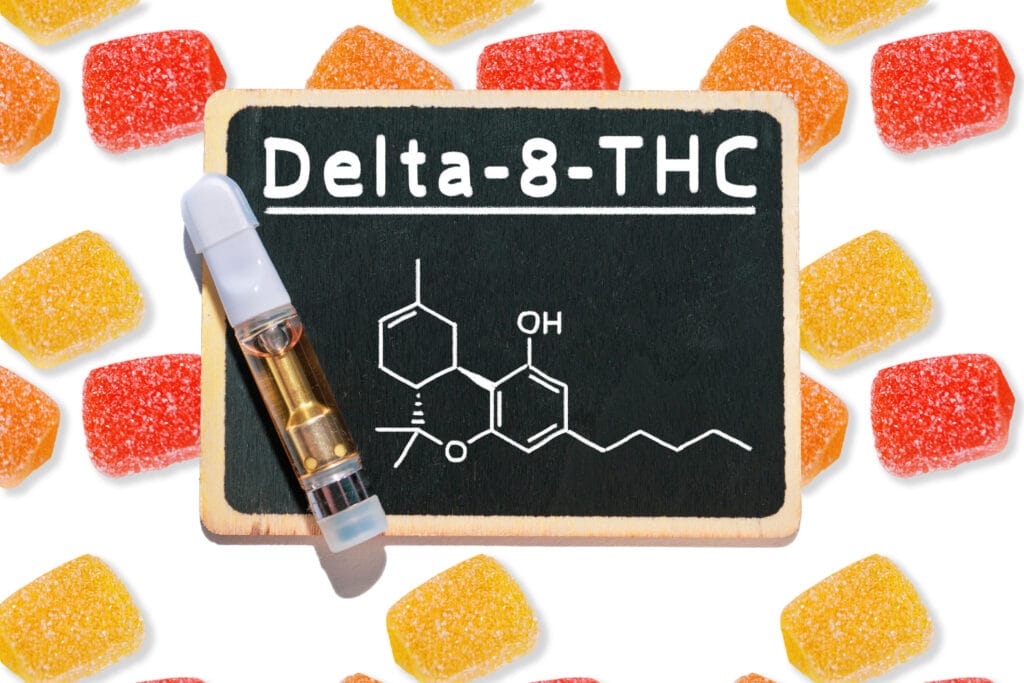
Delta-8 THC is also a structural isomer of THC naturally found in cannabis plants, but it is typically found at much lower levels than delta-9 THC. Many consumer products advertised as containing delta-8 were created through a laboratory process that converts CBD into delta-8. As you may have guessed from the name, the carbon double bond in delta-8 THC occurs between the eighth and ninth atoms in the molecular chain.
Delta-8 THC is very similar to delta-9 on a molecular level, and it can produce similar psychoactive effects. Many users report that delta-8 is a comparable alternative to delta-9. A 2022 study of consumer experience (using self-reported user data) found that many consumers believe delta-8 has fewer unwanted side effects (such as paranoia and anxiety) than delta-9.
The rise of delta-8 can be primarily attributed to the patchwork nature of cannabis legality across the United States. The 2018 Farm Bill legalized “hemp,” which was defined as cannabis plants containing no more than 0.3% delta-9 THC by dry weight. As you might imagine, this created a thriving market for products containing lab-produced delta-8 THC, which was technically legal because it was derived from “hemp” plants that met the legal definition. Today, the legal status of delta-8 exists in a complicated gray area for many regions.
Delta-9 THC Products vs. Delta-8 THC Products: Which Is Right for You?
Many products containing both delta-8 and delta-9 THC are available, so users may be wondering how to choose between them.
Potency and Effects
The effects of delta-8 and delta-9 are typically considered similar, but there is not a lot of peer-reviewed research to consider nuanced differences. Instead, we mostly have to rely on individual user reports of their own experiences, which are anecdotal and personal. With that in mind, it’s worth noting that many users report that delta-8 produces a milder psychoactive result than delta-9 and that delta-8 has fewer unwanted side effects than delta-9.
Delta-8 and delta-9 carry similar risks and adverse side effects. These include vomiting, hallucinations at high doses, confusion, short-term memory loss, dizziness, anxiety, and paranoia. Overall, the two varieties of THC should carry similar safety profiles, but delta-8 is a newer form that has not been studied as extensively. Some experts also raise concerns that delta-8 production is not always well-regulated, and products containing delta-8 may also contain other byproducts from the creation process that may carry their own unknown risks.
Overall, both delta-8 and delta-9 THC have a wide range of recreational and medicinal uses. People choose both varieties to achieve recreational effects, including euphoria, relaxation, happiness, and a sense of calmness. Many consumers also seek out these products in a range of delivery methods (including topical) for pain relief and to reduce anxiety.
Legality and Availability
The legality of both delta-8 THC and delta-9 THC is complicated for different reasons. Delta-9 is federally illegal, but legalized in many states with varying regulations based on state-specific laws.
While delta-8 is generally considered technically legal at the federal level (due to the 2018 Farm Bill’s definition of hemp), many states have passed legislation that outlaws synthetic cannabinoids. Whether delta-8 is considered “synthetic” is a legal gray area. It does occur naturally in cannabis plants, but not at the levels that produce the psychoactive effects most consumers are seeking (and finding) when they purchase commercial products containing delta-8 THC.
Due to this web of considerations, availability will vary from state to state and even within regions in the same state.
Let Native Sun Help Find Your Best Fit
If sifting through the many options available to you is overwhelming or if you just have questions about how to get your desired effects, the Native Sun team is here to help! Stop by one of our cannabis dispensary locations where our friendly and knowledgeable staff will be happy to help you find the best products for your individual needs.